OSENC Magnetic Separation
Feed, Trajectory and Fraction Quality
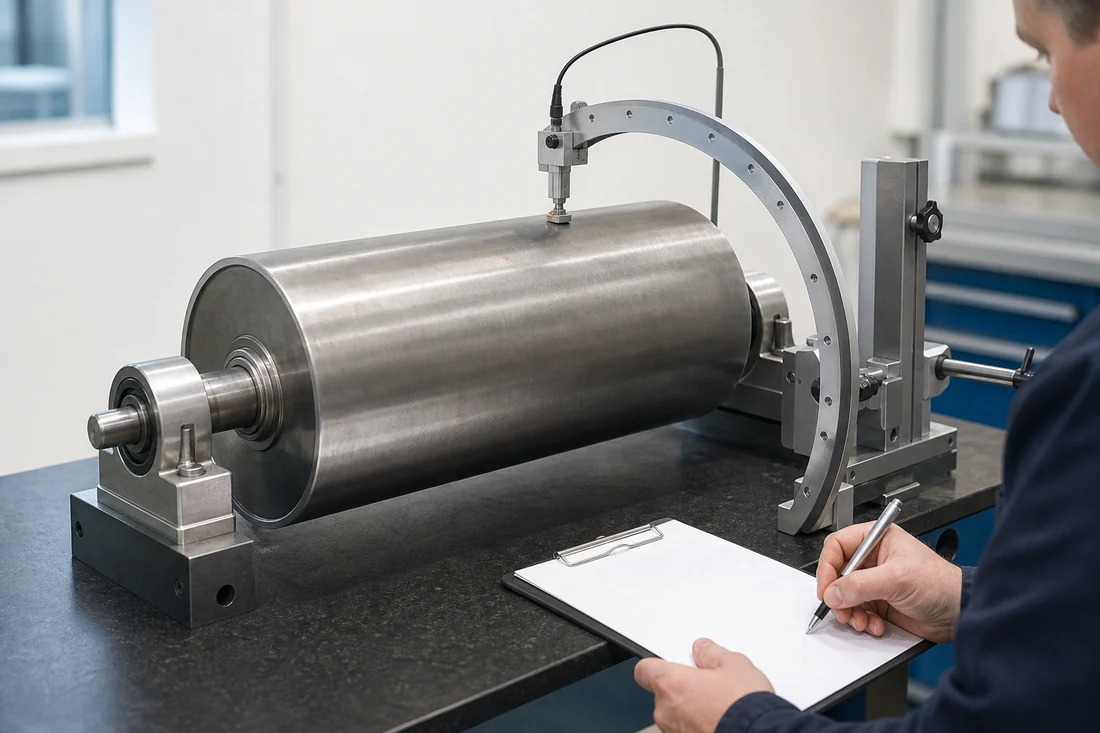
Set the splitter only after feed distribution, drum rotation, speed, magnetic arc, material condition, and discharge flow are stable. Observe where magnetic and nonmagnetic particles actually leave the drum, position the splitter between the trajectories, then sample both fractions. Moving the splitter can trade product recovery against contamination; it cannot correct poor liberation or unstable feed.
Confirm the Basics First
- Correct drum rotation and approved speed
- Correct magnetic arc orientation and feed configuration
- Even feed across the working width
- Stable flow without surging, buildup, or uncontrolled impact
- Clear magnetic and nonmagnetic discharge chutes
- Guards, access doors, fasteners, drive, and bearings in approved condition
Why Trajectories Change
| Variable | Likely effect |
|---|---|
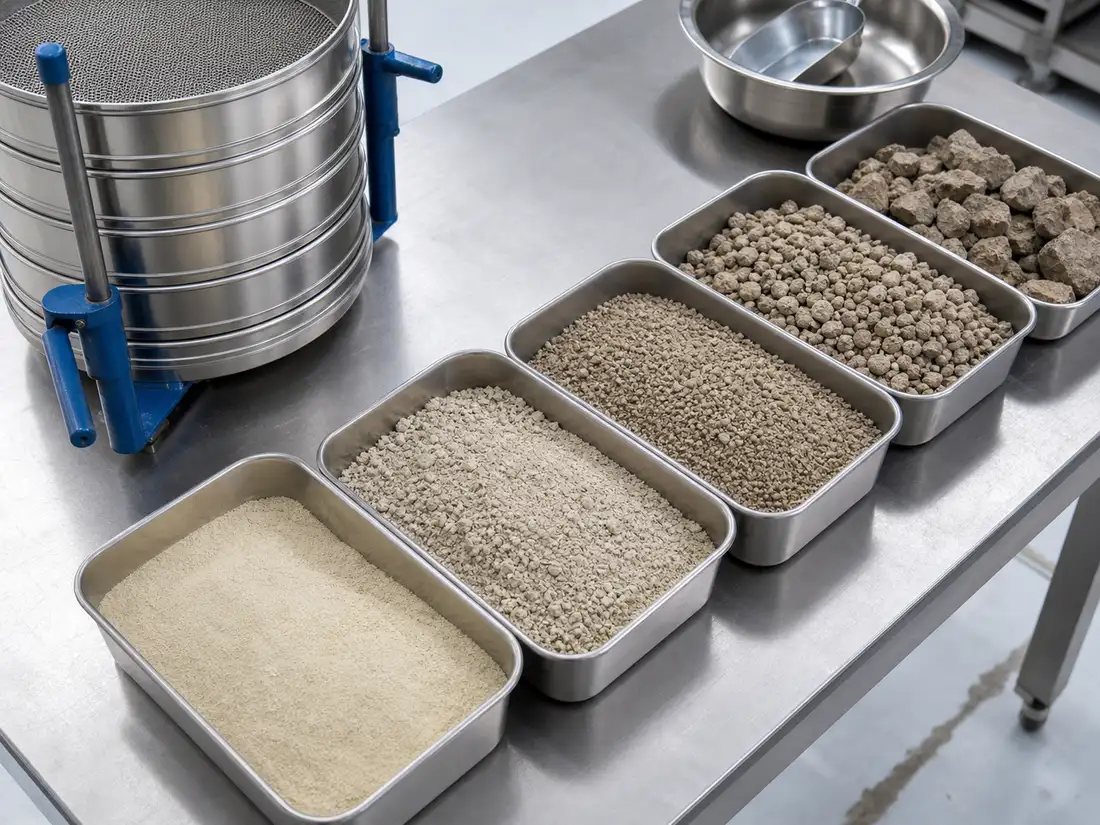
| Drum speed | Changes contact time, centrifugal effect, carry distance, and release point |
| Particle size and shape | Changes bounce, drag, contact, and trajectory |
| Feed depth and distribution | Changes access to the magnetic surface and crowding |
| Moisture or stickiness | Causes agglomeration, coating, and delayed release |
| Magnetic response | Changes retention around the magnetic arc |
| Attached nonmagnetic material | Changes mass and may increase saleable material loss |
Adjustment Procedure
- Use the approved isolation procedure before entering or adjusting a guarded area.
- Mark the initial splitter position and record all current settings.
- Run a stable representative feed and observe both discharge streams safely.
- Make one small controlled change within the mechanical limits.
- Allow the system to stabilize before collecting samples.
- Measure contamination and recovery using the agreed method.
- Repeat only as needed, recording every position and result.
Understand the Trade-Off
Moving the splitter toward the nonmagnetic stream may capture more marginal magnetic material but can also divert more clean product into the magnetic fraction. Moving it toward the magnetic stream may improve product recovery while allowing more contamination to pass. Choose the setting from the customer’s defined acceptance criteria, not visual appearance alone.
Do Not Use the Splitter to Hide Another Problem
- Uneven feed across the drum width
- Feed layer too deep for particles to reach the active zone
- Target not sufficiently liberated
- Wet or sticky buildup on the shell or chutes
- Wrong rotation, speed, or magnetic arc orientation
- Worn liners, damaged shell, air currents, or chute rebound
Sampling and Result Calculation
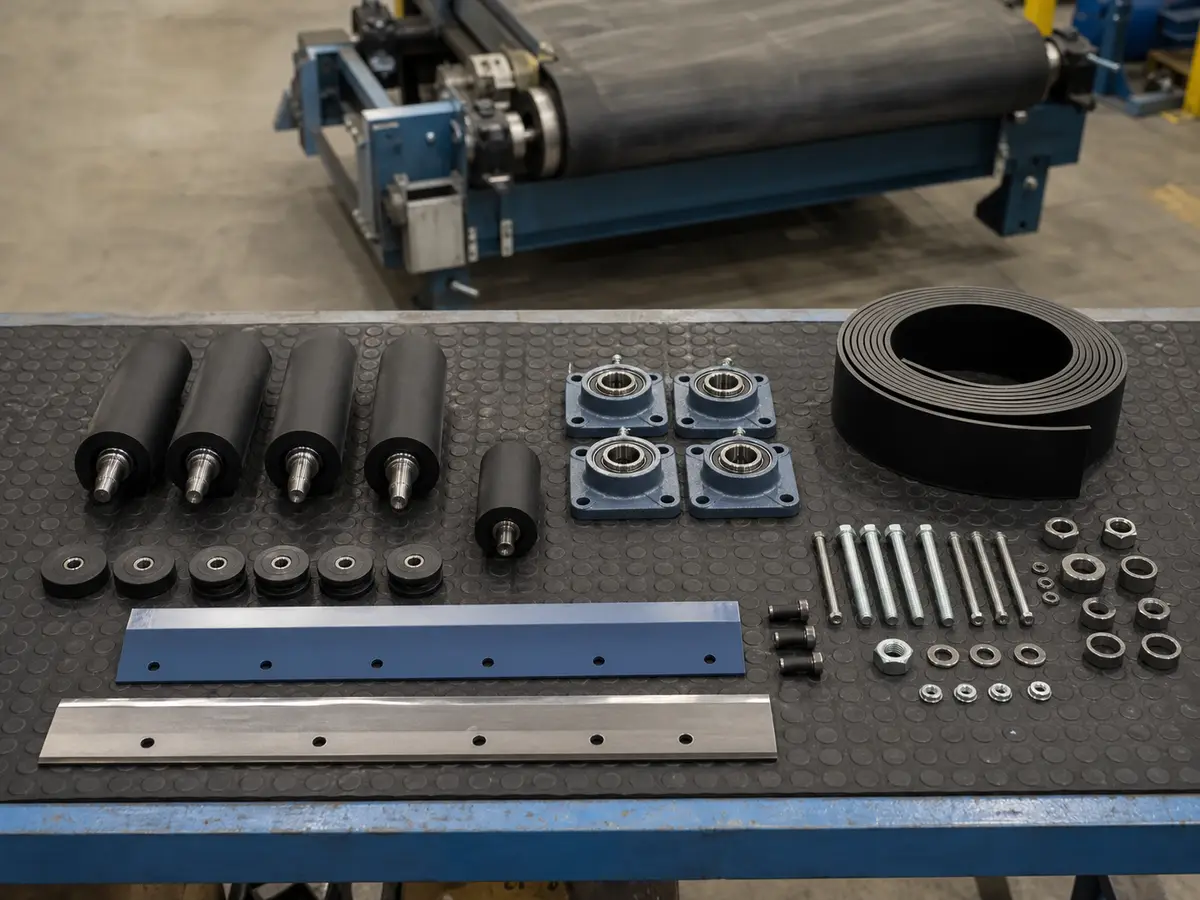
Define sample time or mass, feed condition, laboratory or sorting method, and how moisture is handled. Record input, magnetic fraction, nonmagnetic fraction, contaminant in each, and saleable material misplaced. Repeat samples to understand variability. Do not treat one favorable run as a universal capacity or recovery result.
Commissioning Record
Keep material batch, particle size, moisture, bulk density, feed rate, drum speed, feed setting, splitter position, sample masses, analysis, photographs, adjustments, final acceptance, and responsible personnel.
A Repeatable Splitter-Adjustment Record
| Decision rule | Adjust from observed magnetic and nonmagnetic trajectories under stable feed, changing one variable at a time and sampling both fractions. |
|---|---|
| Inputs to confirm | Material condition, feed rate and distribution, drum speed and direction, magnetic arc, initial splitter coordinates and target fraction specification. |
| Risk or limitation | Do not reach through guards or adjust during unsafe operation; stop when the mechanism is not designed for external adjustment. |
| Buyer action | Record each position, sample mass, contamination in both fractions and saleable-material loss so the final setting can be restored. |
Safety Boundary Before Installation, Cleaning or Maintenance
- Before opening guards or approaching the drum, splitter, drive or discharge zone, isolate and lock out all connected feeds and drives and verify zero mechanical energy. The permanent magnetic field remains active. Keep tools and loose steel controlled and address drum, belt, chain, scraper and splitter pinch points as fitted.
- People with pacemakers or magnetically sensitive medical devices must follow medical-device and site restrictions; protect sensitive electronics and magnetic media.
- Our guidance is not a complete safe-work procedure. Approved manufacturer instructions, the site risk assessment, guarding and lifting plans, and lockout/tagout rules govern the work.
What We Need to Configure This Project
Input set for How to Adjust a Magnetic Drum Separator Splitter
- How we use your data: We compare your material, contamination risk, production target and line interface before we configure a proposal or rule out an unsuitable option.
- Material: name and composition; dry or wet; powder, granule, lump, fibre or slurry; minimum, maximum and typical particle distribution; moisture, stickiness, tendency to cake or bridge, abrasiveness, corrosiveness, bulk density, normal temperature and maximum temperature.
- Production and target: normal and peak throughput, continuous or batch feed, feed uniformity, contaminant or recovery target, magnetic response if known, typical and maximum target size, initial concentration, acceptable residual and whether product loss is permitted.
- Installation: feed chute and discharge geometry, drum or pulley diameter and working width, shaft/bearing interface, speed, splitter space, drive arrangement and maintenance access; cleaning method, permitted shutdown, contact-material, wear and corrosion requirements; indoor, outdoor, washdown, high-humidity, dusty or hazardous-area conditions.
- Supporting project files: drive voltage, frequency, phase and control interface; state whether any pneumatic actuator or air service is required; destination country; current drawings, site photographs, running video and a representative material/contaminant sample when testing is needed.
- What you receive next: We use the confirmed inputs to prepare a project-specific drawing and inspection plan. We do not treat performance as confirmed until the agreed design and any required representative test or site acceptance establish the result.
How We Support the Site Decision
How to Adjust a Magnetic Drum Separator Splitter: seller-side application review
- Your operating risk: Incorrect access, alignment, splitter position, guarding or cleaning space can cause poor separation, equipment damage, unsafe maintenance and avoidable downtime.
- What we review: We compare your equipment drawing, material path, particle size, throughput, speed, interfaces, available space, utilities, environment and maintenance direction.
- What we coordinate: We identify drawing conflicts, configuration limits and inspection points before you approve installation, adjustment or replacement work.
- Buyer value: This helps you avoid a unit that fits on paper but cannot be aligned, cleaned, guarded or maintained correctly on the production line.
- Boundary: Our review does not replace the manufacturer manual, competent installer, site risk assessment or lockout/tagout procedure.
- Next step: Send the material and target, particle range, moisture, temperature, throughput, contamination, installation drawing, available space, cleaning preference and any sample or site video. Send the equipment drawing and site conditions
Project Support
Need help selecting the right magnetic solution?
Send us your material, flow condition, target metal, capacity, installation space and any drawings or site photos. We will review the application and recommend the next practical step.
Frequently Asked Questions
Why is “Understand the Trade-Off” important for this decision?
Moving the splitter toward the nonmagnetic stream may capture more marginal magnetic material but can also divert more clean product into the magnetic fraction.
Why is “Sampling and Result Calculation” important for this decision?
Define sample time or mass, feed condition, laboratory or sorting method, and how moisture is handled.
Why is “Commissioning Record” important for this decision?
Keep material batch, particle size, moisture, bulk density, feed rate, drum speed, feed setting, splitter position, sample masses, analysis, photographs, adjustments, final acceptance, and responsible personnel.