OSENC Magnetic Separation
A typical permanent magnetic drum uses a stationary magnetic circuit inside a rotating non-magnetic shell. Ferrous material is attracted to the shell and carried through the magnetic arc; non-magnetic material follows its normal trajectory. After the ferrous material leaves the active field, it releases into a separate discharge.
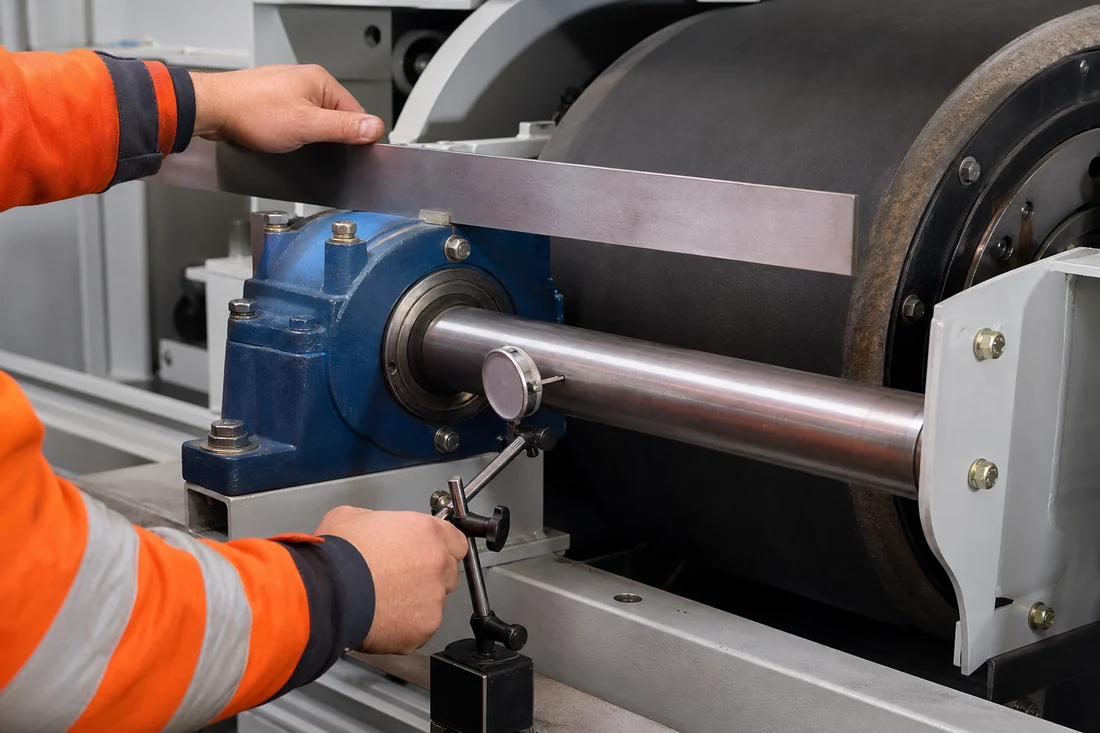
Separation Sequence
- Feed is distributed across the working width.
- Material enters the magnetic zone near the rotating shell.
- Responsive iron is held to the shell.
- Non-magnetic material falls away.
- The shell carries iron beyond the normal discharge.
- Iron releases after leaving the effective magnetic arc.
Variables That Change the Result
| Variable | Effect |
|---|---|
| Feed thickness/distribution | Controls magnetic exposure across width |
| Drum speed | Changes contact time and trajectories |
| Magnetic arc/pole design | Controls attraction and release zone |
| Shell or wear cover | Protects circuit but increases working distance |
| Splitter position | Separates actual material trajectories |
| Particle liberation | Locked particles may not separate cleanly |
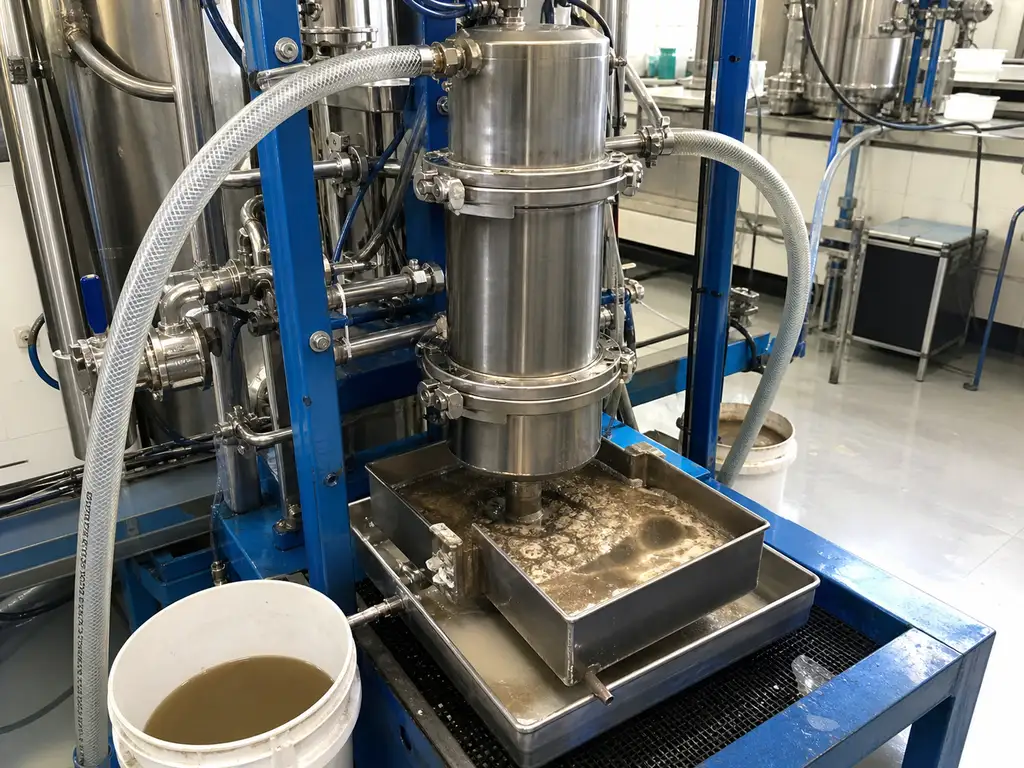
Housed Drum vs Head Pulley
A housed drum has an inlet, drum, drive, splitter, and outlets. A magnetic head pulley replaces a conveyor pulley and works through the belt at the head discharge. They share a rotating-discharge principle but require different interfaces.
Common Drum Problems
- Uneven feed overloads part of the width.
- Incorrect speed changes trajectories and release.
- A poor splitter position mixes fractions.
- Buildup increases working distance.
- Changing a shell, belt, or wear cover changes exposure.
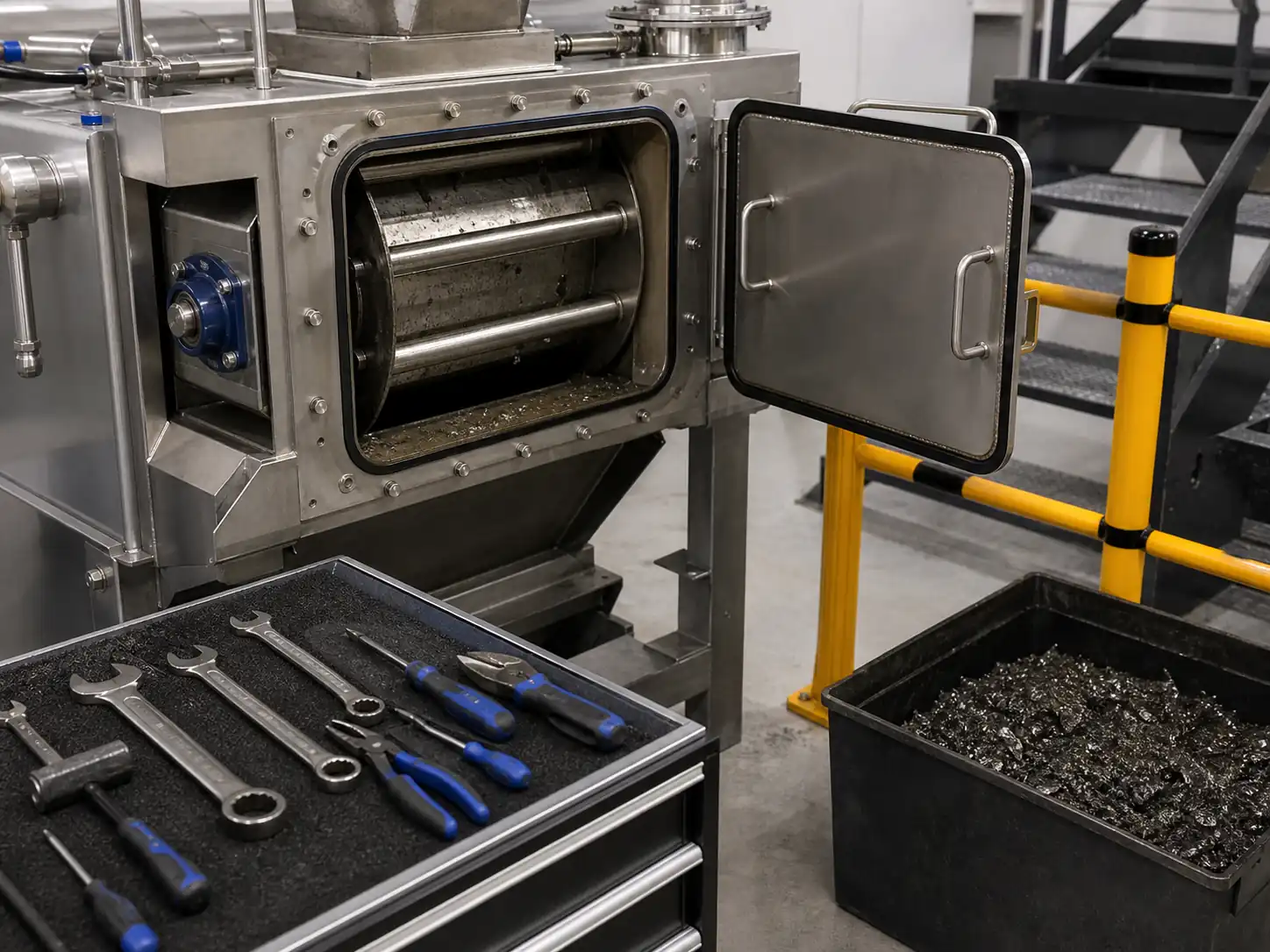
What Must Be Tested
Record material, particle size, moisture, feed rate, width, speed, splitter setting, magnetic measurement position, and collected fractions. A no-load rotation check proves mechanical operation, not separation performance.
Translate the Drum Principle into Four Buyer Decisions
| Decision rule | Confirm feed presentation, magnetic arc, rotation and splitter together; the drum must attract, carry and release the target into a separate trajectory. |
|---|---|
| Inputs to confirm | Top or bottom feed, particle and target size, feed width, layer depth, drum speed, shell or liner thickness and required fraction quality. |
| Risk or limitation | A strong drum can still perform poorly when feed is uneven, the splitter is misplaced or the magnetic arc retains target past the intended release point. |
| Buyer action | Run a controlled trial and sample both outlets while recording feed rate, speed, splitter position and misplaced material. |
How We Use This Technical Point in Selection
How a Permanent Magnetic Drum Works: seller-side application review
- Your selection risk: A device name, surface Gauss value or static pull result can lead to the wrong purchase when material motion and working distance are ignored.
- What we review: We check your material, particle size, moisture, temperature, throughput, layer or flow geometry, target contamination, installation position and cleaning method.
- What we decide: We use the principle described above to compare magnetic circuit, exposure, retention and discharge conditions before we recommend or rule out a structure.
- Buyer value: This helps you reduce leakage risk, avoid an oversized or ineffective unit and connect the specification to a testable production objective.
- Boundary: We do not treat a simplified explanation as guaranteed separation performance; representative testing is needed when magnetic response or scale-up remains uncertain.
- Next step: Send the material and target, particle range, moisture, temperature, throughput, contamination, installation drawing, available space, cleaning preference and any sample or site video. Send the material and separation target
Project Support
Need help selecting the right magnetic solution?
Send us your material, flow condition, target metal, capacity, installation space and any drawings or site photos. We will review the application and recommend the next practical step.
Frequently Asked Questions
Why is “Housed Drum vs Head Pulley” important for this decision?
A housed drum has an inlet, drum, drive, splitter, and outlets. A magnetic head pulley replaces a conveyor pulley and works through the belt at the head discharge.
What Must Be Tested?
Record material, particle size, moisture, feed rate, width, speed, splitter setting, magnetic measurement position, and collected fractions.