OSENC Magnetic Separation
Burden depth is the material layer a target must be pulled through. As the layer becomes deeper, iron at the bottom is farther from the magnet and restrained by surrounding material. Select from measured normal and peak depth—not tonnage or belt width alone.
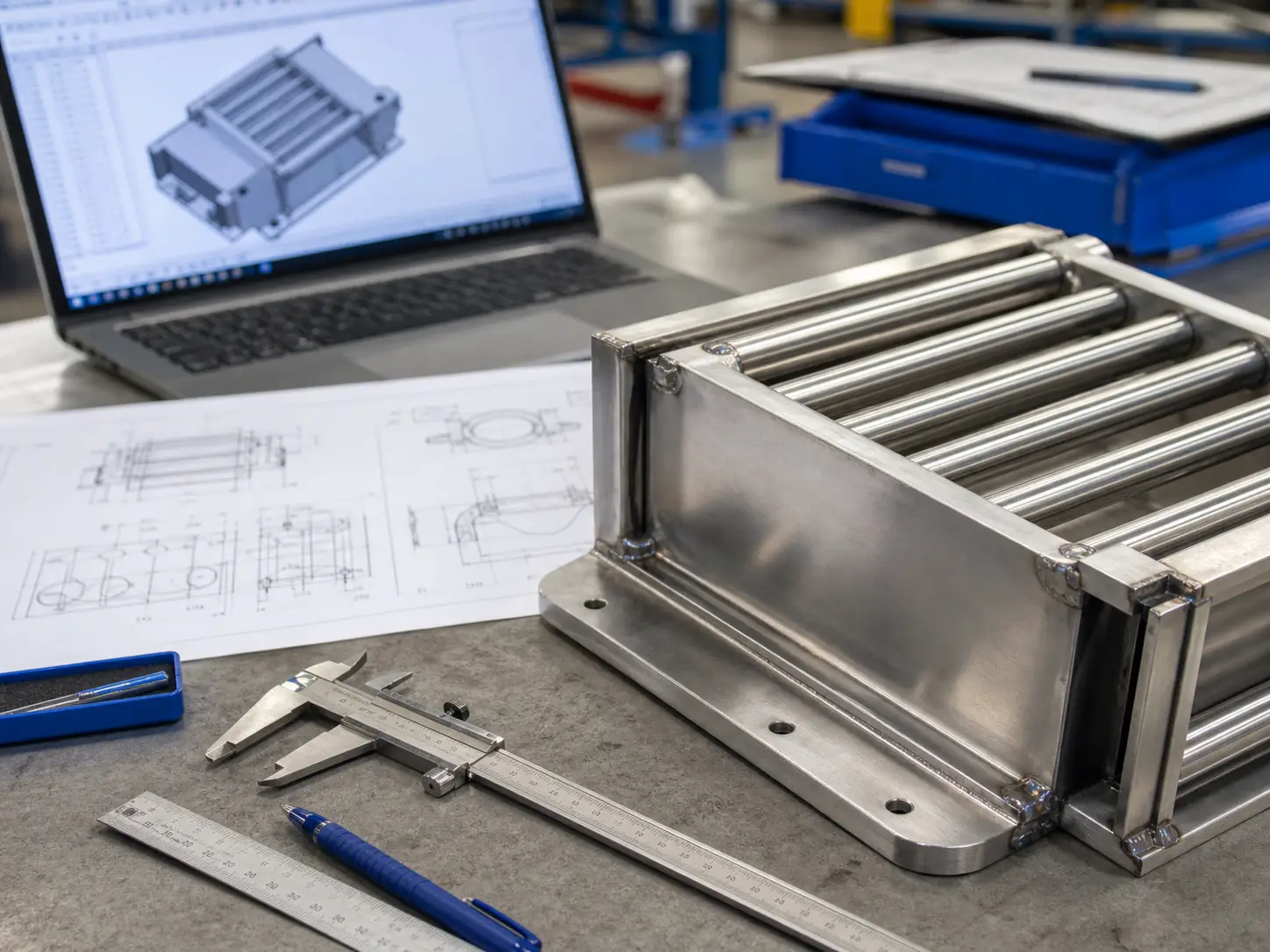
Why Capacity Is Not Burden Depth
The same t/h can produce different layers depending on bulk density, belt speed, trough angle, feed distribution, moisture, and surges. Provide both capacity and a measured cross-section or depth profile.
Measure the Difficult Condition
- Maximum stable depth, not only the average
- Temporary surges and center loading
- Depth at the proposed magnet position
- Location of the smallest critical iron
- Changes between dry and wet operating periods

Ways to Improve Exposure
Control feed surges, level the burden where process rules allow, reduce working height, or place the magnet where material opens at a discharge. Any change must preserve capacity and safety. Do not compensate for uncontrolled feed simply by quoting a higher surface Gauss.
Burden-Depth Mistakes
- Calculating from average t/h without measuring the layer
- Ignoring peak center loading and wet buildup
- Testing iron only on top of the material
- Using belt width as a substitute for a depth profile
- Measuring at the wrong conveyor position
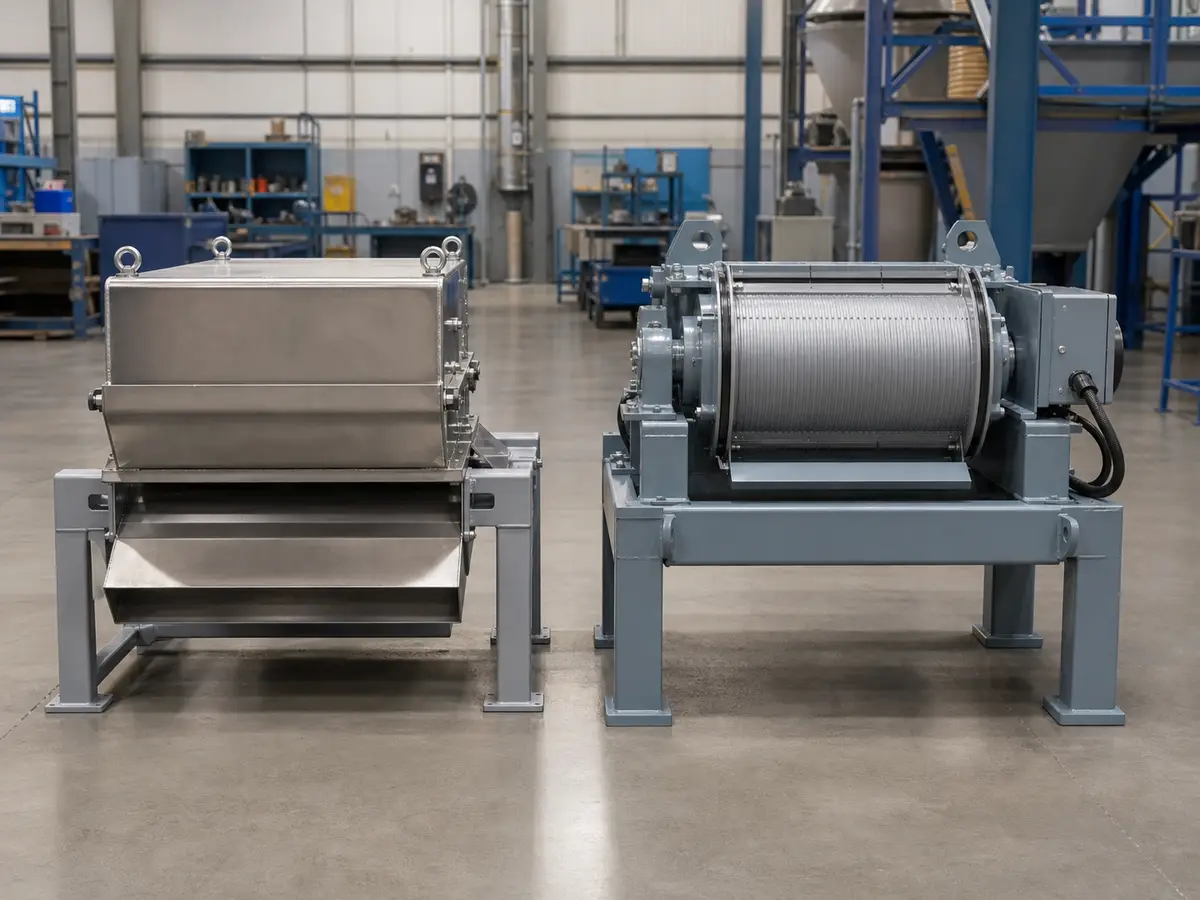
RFQ Data
Send belt width, speed, trough, bulk density, normal/peak capacity, burden profile, target iron, magnet position, available height, and photographs or video.
Convert Burden Depth into a Selection Input
| Decision rule | Use the maximum credible material layer at the separator, including surges and trough profile, because buried target distance governs deep-field requirements. |
|---|---|
| Inputs to confirm | Normal, peak and local burden depth, bulk density, lump size, feed distribution, belt width and speed, target size and maximum suspension height. |
| Risk or limitation | An average depth can hide center loading or transient piles that move the target outside the effective field even when the belt is not overloaded by mass. |
| Buyer action | Measure a depth profile during representative production and challenge the proposal with targets at the bottom of the deepest zone. |
How We Use This Technical Point in Selection
How Burden Depth Affects Suspended Magnet Selection: seller-side application review
- Your selection risk: A device name, surface Gauss value or static pull result can lead to the wrong purchase when material motion and working distance are ignored.
- What we review: We check your material, particle size, moisture, temperature, throughput, layer or flow geometry, target contamination, installation position and cleaning method.
- What we decide: We use the principle described above to compare magnetic circuit, exposure, retention and discharge conditions before we recommend or rule out a structure.
- Buyer value: This helps you reduce leakage risk, avoid an oversized or ineffective unit and connect the specification to a testable production objective.
- Boundary: We do not treat a simplified explanation as guaranteed separation performance; representative testing is needed when magnetic response or scale-up remains uncertain.
- Next step: Send the material and target, particle range, moisture, temperature, throughput, contamination, installation drawing, available space, cleaning preference and any sample or site video. Send the material and separation target
Project Support
Need help selecting the right magnetic solution?
Send us your material, flow condition, target metal, capacity, installation space and any drawings or site photos. We will review the application and recommend the next practical step.
Frequently Asked Questions
Why Capacity Is Not Burden Depth?
The same t/h can produce different layers depending on bulk density, belt speed, trough angle, feed distribution, moisture, and surges.
Why is “Ways to Improve Exposure” important for this decision?
Control feed surges, level the burden where process rules allow, reduce working height, or place the magnet where material opens at a discharge.
Why is “RFQ Data” important for this decision?
Send belt width, speed, trough, bulk density, normal/peak capacity, burden profile, target iron, magnet position, available height, and photographs or video.