OSENC Magnetic Separation
Do not decide air eligibility from magnet grade or pull force alone. Evaluate the complete packed shipment using the current applicable air-transport rules and carrier requirements. Strong magnets may need orientation control, separation, steel shielding, distance, package testing, records, and handling by trained or qualified parties.
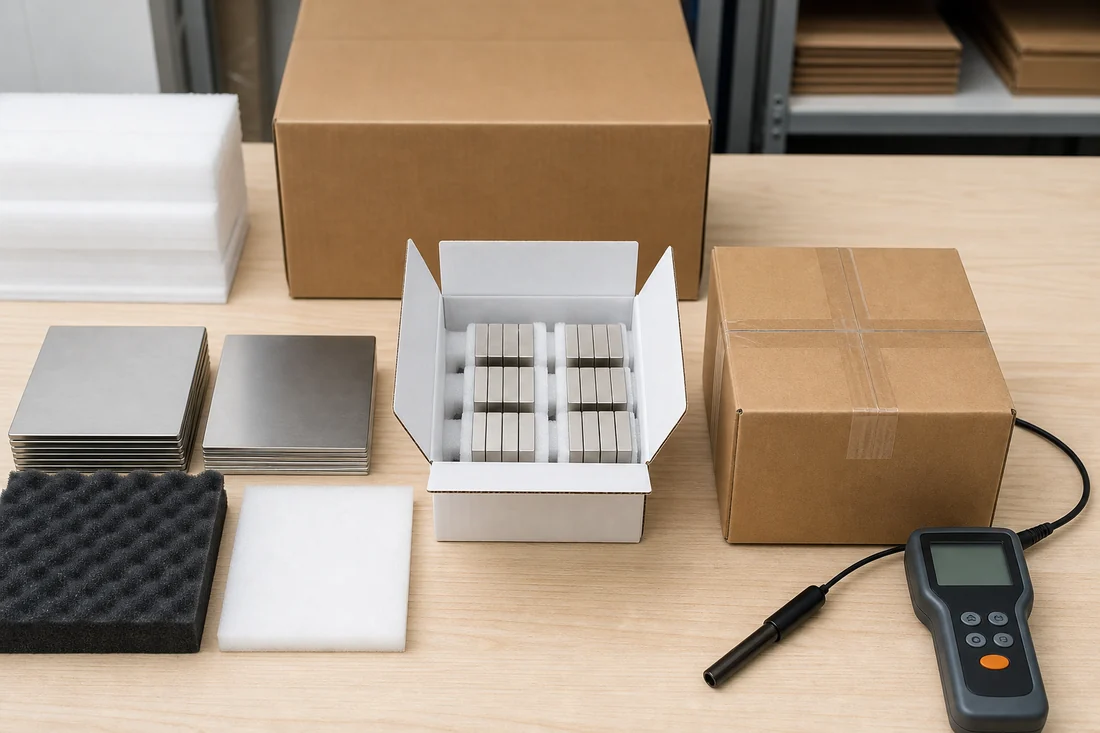
Why the Complete Package Matters
External magnetic field depends on magnet quantity, orientation, spacing, assembly, steel shielding, carton size, and measurement distance. Two orders containing the same part can produce different package readings if stacked differently.
Packaging Process
- Identify part magnetization, quantity, and worst-case arrangement.
- Prevent magnets from snapping together or moving inside the package.
- Use spacing and shielding designed for the actual configuration.
- Close the final package exactly as it will ship.
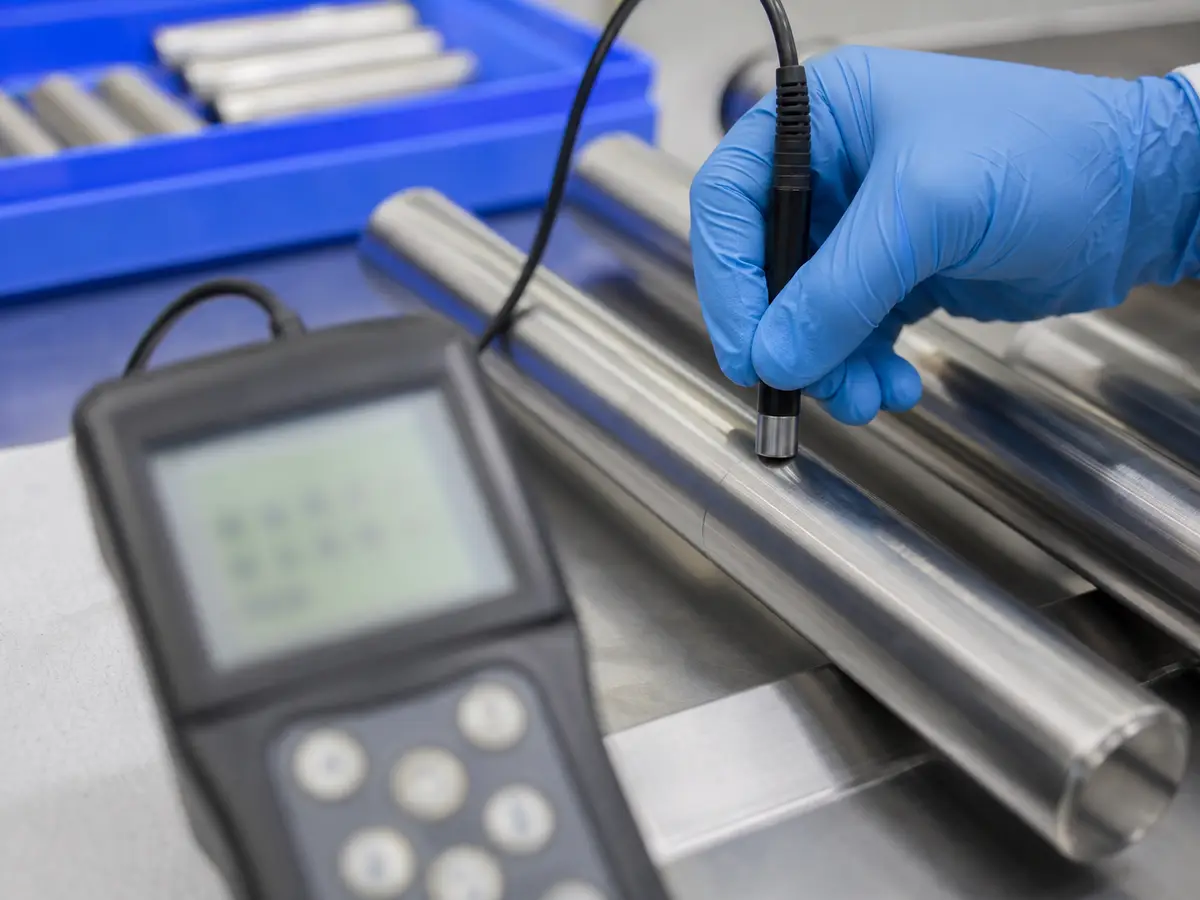
- Measure using the required method and current acceptance criteria.
- Retain package configuration, instrument, result, date, and responsible party.
- Confirm carrier booking, markings, labels, and documents before dispatch.
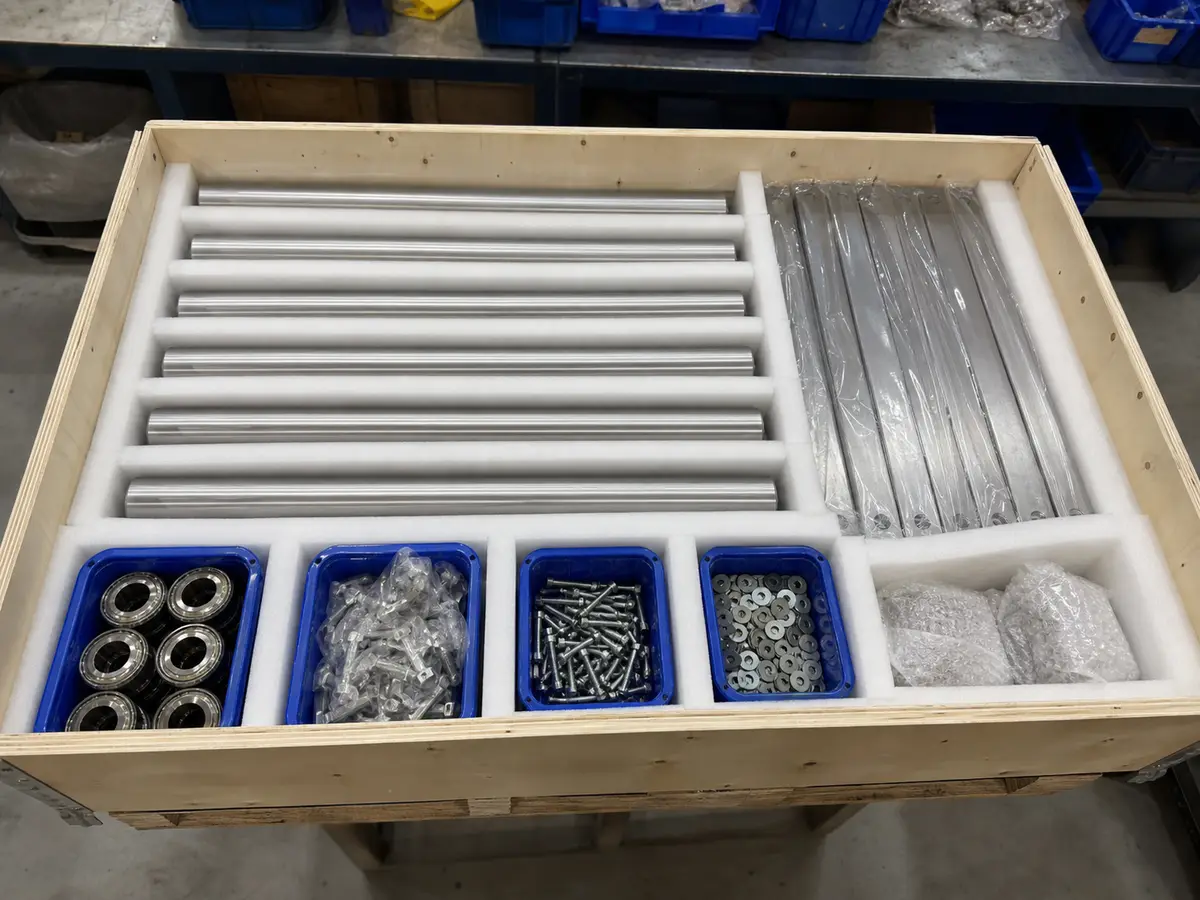
Packaging Also Prevents Physical Damage
- Separate brittle magnets and protect coated edges.
- Control polarity and orientation to reduce attraction or repulsion.
- Keep magnetic parts from damaging nearby goods or package hardware.
- Use moisture and corrosion protection appropriate to coating and route.
- Mark handling and lifting requirements for heavy assemblies.
Rules Change
IATA publishes updated Dangerous Goods Regulations, and airlines, couriers, countries, or routes may apply additional conditions. Magnetized material is associated with UN 2807 and Packing Instruction 953 in current IATA materials, but classification, exceptions, documentation, and test limits must be checked from the edition effective on the shipment date.
OSENC Support Boundary
OSENC has experience coordinating magnetic shielding, gauss-meter checks, air-transport testing, and courier shipment for magnet projects. The quotation should state whether testing is performed internally, by a manufacturing partner, freight provider, or qualified third party. Acceptance by one carrier or shipment does not guarantee every future configuration.
Information Required
Send magnet/assembly drawing, grade, magnetization, quantity per carton, package size/weight, destination, requested carrier, shipment date, and required report. Sea freight may be considered for strong, large, heavy, or uneconomical air packages.
Shipment Data to Confirm Before Booking Air Freight
| Decision rule | Classify and pack the complete consignment from measured external magnetic field, package orientation and current carrier rules; product grade alone does not determine acceptance. |
|---|---|
| Inputs to confirm | Magnetized assembly, quantity, arrangement, package dimensions, shielding, measurement instrument and distance, route, carrier and effective regulatory edition. |
| Risk or limitation | Adding steel shielding without fixing magnet movement can create impact and leakage changes, and a prior shipment report may not cover a new package. |
| Buyer action | Prepare the final pack, measure it by the required method and obtain any carrier or test-provider document before booking. |
How We Turn This Guidance into a Project Decision
How to Prepare Strong Magnets for Air Shipment: seller-side application review
- Your buying problem: General product information cannot show whether a magnetic solution will control contamination, prevent equipment damage or fit the available production space.
- What we review: We confirm your material, particle size, moisture, temperature, throughput, contaminant, installation position, interfaces, environment and cleaning requirement.
- What we do: We compare suitable structures, configure the practical option and coordinate the drawing, manufacturing route and inspection scope.
- Buyer value: This helps you reduce selection risk, avoid rework and connect the purchase to a clear operating and quality-control objective.
- Boundary: We do not present an unverified model, performance number or certification as a confirmed project fact.
- Next step: Send the material and target, particle range, moisture, temperature, throughput, contamination, installation drawing, available space, cleaning preference and any sample or site video. Send project data for our review
Project Support
Need help selecting the right magnetic solution?
Send us your material, flow condition, target metal, capacity, installation space and any drawings or site photos. We will review the application and recommend the next practical step.
Frequently Asked Questions
Why the Complete Package Matters?
External magnetic field depends on magnet quantity, orientation, spacing, assembly, steel shielding, carton size, and measurement distance.
Why is “Rules Change” important for this decision?
IATA publishes updated Dangerous Goods Regulations, and airlines, couriers, countries, or routes may apply additional conditions.
Why is “OSENC Support Boundary” important for this decision?
OSENC has experience coordinating magnetic shielding, gauss-meter checks, air-transport testing, and courier shipment for magnet projects.