OSENC Magnetic Separation
Build a Comparable Total-Scope Quotation
A magnetic separator cannot be priced reliably from a product name or belt width alone. Cost changes with product type, working dimensions, magnetic circuit, working distance, structure, material, belt and drive, housing, environment, testing, documentation, packaging, freight, spares, and installation scope. For a useful quotation, first define the application and acceptance method.
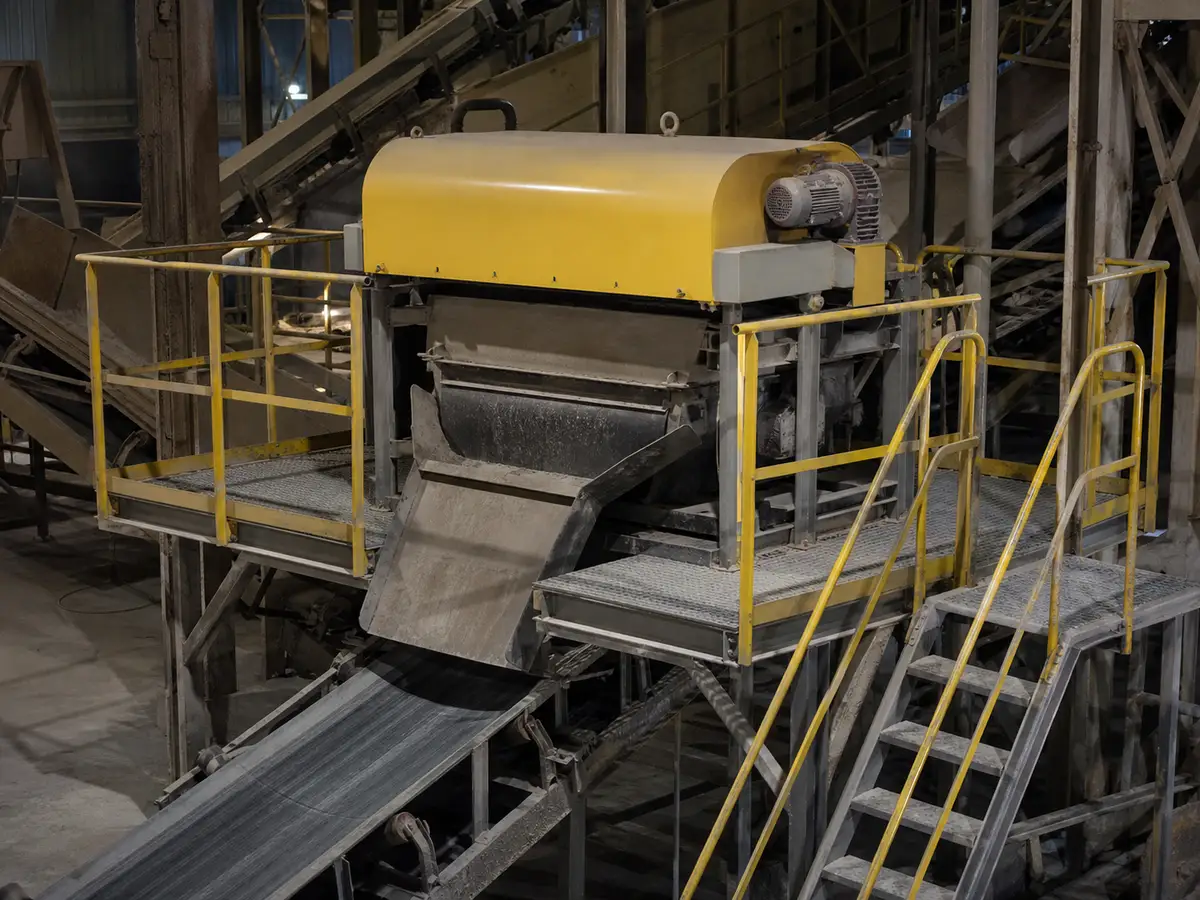
Why Online Price Ranges Are Often Misleading
Two products with the same generic name may differ in magnetic material, active dimensions, steel mass, suspension height, belt construction, motor and gearbox, stainless grade, liner, controls, documentation, and test method. A low equipment price can exclude essential interfaces or use a test condition unrelated to the application.
Main Price Drivers
| Cost group | Examples | Why it changes |
|---|---|---|
| Magnetic circuit | Ferrite or rare-earth material, circuit volume, pole structure, temperature | Material and design must produce useful field at the working condition |
| Mechanical size | Width, diameter, length, shaft, frame, housing and steel thickness | Changes material, machining, lifting and freight |
| Cleaning/drive | Manual, cleaning belt, rollers, motor, gearbox, sensors | Adds components, assembly, controls and maintenance |
| Process construction | Stainless, liners, seals, finish, outdoor or corrosion features | Changes fabrication, material evidence and service life |
| Verification | Drawings, inspection, magnetic tests, trial run, third-party reports | Adds engineering, test time and traceability |
| Delivery scope | Packaging, spares, freight, duties, installation support | Varies by destination and responsibility |
Cost Factors by Product Type
- Suspended magnet: working width, rated height, magnetic circuit, frame, suspension, manual or self-cleaning structure.
- Overband: cleaning belt, cleats, rollers, bearings, motor, gearbox, covers, monitoring and discharge arrangement.
- Head pulley: diameter, face, shaft, bearings, magnetic arc, lagging, speed, balance and conveyor interface.
- Housed drum: drum, drive, housing, feeder interface, splitter, outlets, liners, seals and access.
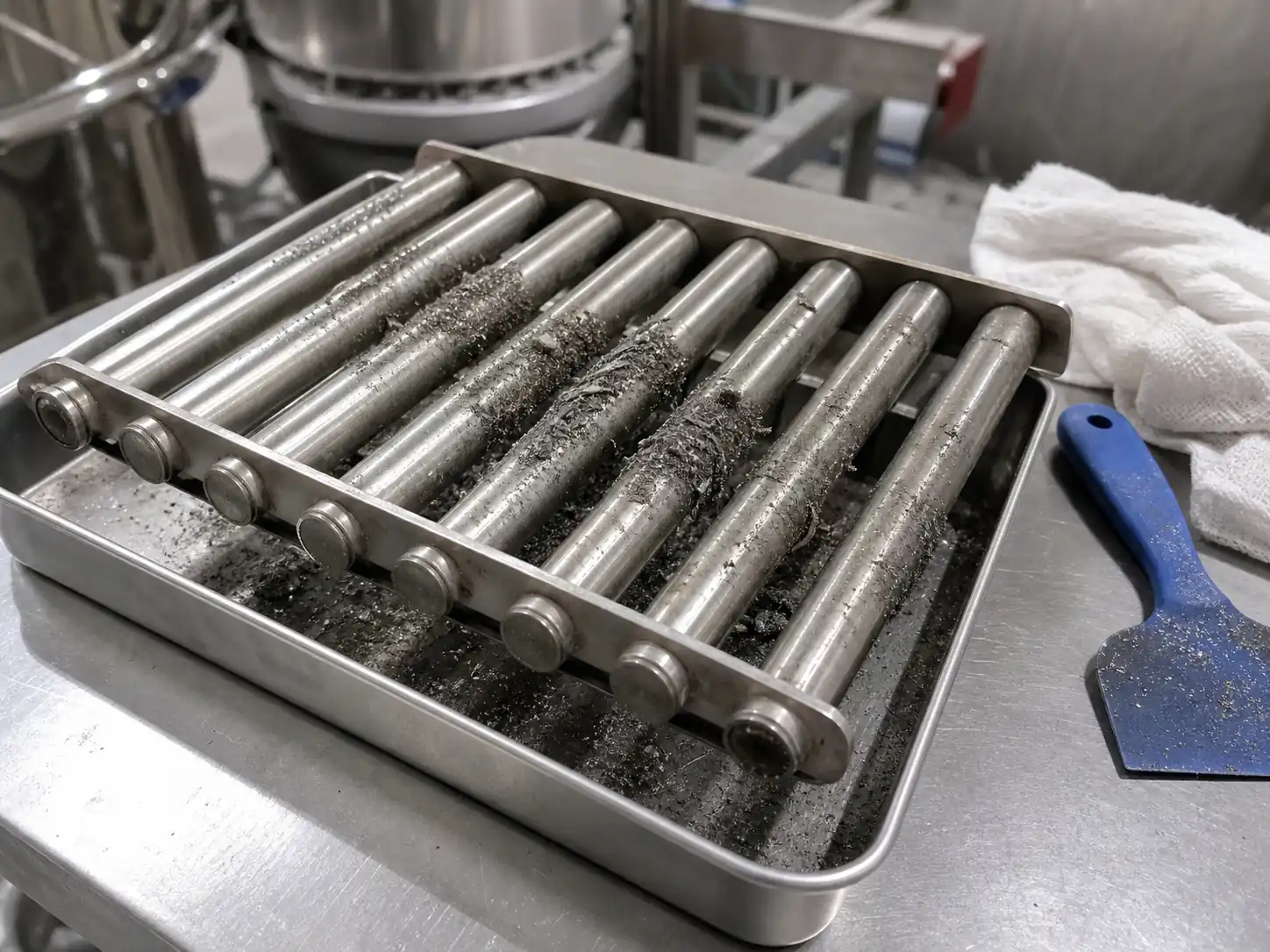
- Tube/grate/drawer: dimensions, magnet material, stainless grade, rows, spacing, housing, sleeves, finish, seals and magnetic test.
Compare Quotations on the Same Basis
- Confirm each supplier quotes the same application and drawing revision.
- Compare included product, drive, support, controls, chutes, guards, spares and documents.
- Compare magnetic acceptance at the same position and conditions.
- Confirm material grades, component brands or approved equivalents, finish, and wear parts.
- Compare packaging, trade term, freight, taxes, commissioning, warranty, and exclusions.
- Record deviations instead of assuming “standard” means the same.
Total Cost Is More Than Purchase Price
Consider installation modification, downtime, power for drives, cleaning labor, product loss, belts, bearings, seals, liners, spare stock, inspection, corrosion, service access, and consequence of missed iron. A more expensive structure can be justified only when it reduces a measured lifecycle cost or risk.

Information Needed for a Firm Quotation
- Material, process objective, particle size, moisture, temperature and bulk density
- Normal and peak throughput with the basis used
- Target iron, frequency, size, location and photographs or samples
- Belt, chute, hopper or pipe drawings and installation envelope
- Cleaning method, operating hours, environment and power
- Materials, documents, tests, standards, delivery destination and trade term
- Required spares, packaging, support, warranty and delivery date
What We Confirm in the Quote
The quotation should identify offered configuration, manufacturing route, drawing and specification, inclusions, exclusions, tests, documents, lead time, payment, validity, packaging, delivery term, warranty, claim process, and assumptions. Values still awaiting engineering review should be labeled rather than presented as final.
Information Needed for a Comparable Price
| Decision rule | Compare quotations only after product scope, material duty, interfaces, cleaning, testing, documents, packing and after-sales responsibilities are aligned. |
|---|---|
| Inputs to confirm | Separator type, material and target, throughput, dimensions, working gap, construction, drive and controls, test method, documents, quantity and delivery term. |
| Risk or limitation | A low equipment price can exclude support steel, controls, wear parts, testing, export packing or a cleaning mechanism required for the real duty. |
| Buyer action | Issue one RFQ data sheet and request exclusions, validity, lead time and warranty basis so price differences can be traced to scope. |
What We Need to Configure This Project
Input set for How Much Does a Magnetic Separator Cost?
- How we use your data: We compare your material, contamination risk, production target and line interface before we configure a proposal or rule out an unsuitable option.
- Material: name and composition; dry or wet; powder, granule, lump, fibre or slurry; minimum, maximum and typical particle distribution; moisture, stickiness, tendency to cake or bridge, abrasiveness, corrosiveness, bulk density, normal temperature and maximum temperature.
- Production and target: normal and peak throughput, continuous or batch feed, feed uniformity, contaminant or recovery target, magnetic response if known, typical and maximum target size, initial concentration, acceptable residual and whether product loss is permitted.
- Installation: belt width and speed, normal and maximum burden depth, magnet position and rated working distance, available suspension and maintenance space, support and lifting arrangement; cleaning method, permitted shutdown, contact-material, wear and corrosion requirements; indoor, outdoor, washdown, high-humidity, dusty or hazardous-area conditions.
- Supporting project files: drive voltage, frequency and phase where a self-cleaning unit is considered; control interface and any site air requirement; destination country; current drawings, site photographs, running video and a representative material/contaminant sample when testing is needed.
- What you receive next: We use the confirmed inputs to prepare a project-specific drawing and inspection plan. We do not treat performance as confirmed until the agreed design and any required representative test or site acceptance establish the result.
How We Apply This Comparison to Your Project
How Much Does a Magnetic Separator Cost?: seller-side application review
- Your decision risk: Two structures can both remove ferrous material yet behave differently with thick layers, fine particles, sticky flow, continuous production or limited cleaning space.
- What we review: We compare your material, particle size, moisture, temperature, throughput, target contamination, installation position, available space and permitted downtime.
- What we recommend: We use the these trade-offs to select, configure or rule out each option instead of choosing from one headline parameter.
- Buyer value: This helps you avoid an unnecessary upgrade, reduce contamination and downtime risk, and purchase a structure that your operators can actually clean and maintain.
- Boundary: We do not call one option universally better; the result depends on the confirmed material path and acceptance target.
- Next step: Send the material and target, particle range, moisture, temperature, throughput, contamination, installation drawing, available space, cleaning preference and any sample or site video. Send the inputs for option comparison
Project Support
Need help selecting the right magnetic solution?
Send us your material, flow condition, target metal, capacity, installation space and any drawings or site photos. We will review the application and recommend the next practical step.
Frequently Asked Questions
Why Online Price Ranges Are Often Misleading?
Two products with the same generic name may differ in magnetic material, active dimensions, steel mass, suspension height, belt construction, motor and gearbox, stainless grade, liner, controls, documentation, and test method.
Why is “Total Cost Is More Than Purchase Price” important for this decision?
Consider installation modification, downtime, power for drives, cleaning labor, product loss, belts, bearings, seals, liners, spare stock, inspection, corrosion, service access, and consequence of missed iron.
What We Confirm in the Quote?
The quotation should identify offered configuration, manufacturing route, drawing and specification, inclusions, exclusions, tests, documents, lead time, payment, validity, packaging, delivery term, warranty, claim process, and assumptions.